Телефонуйте:
0 (800) 210-023

Пн-пт: 9:00 - 18:00
Пн-пт: 9:00 - 18:00
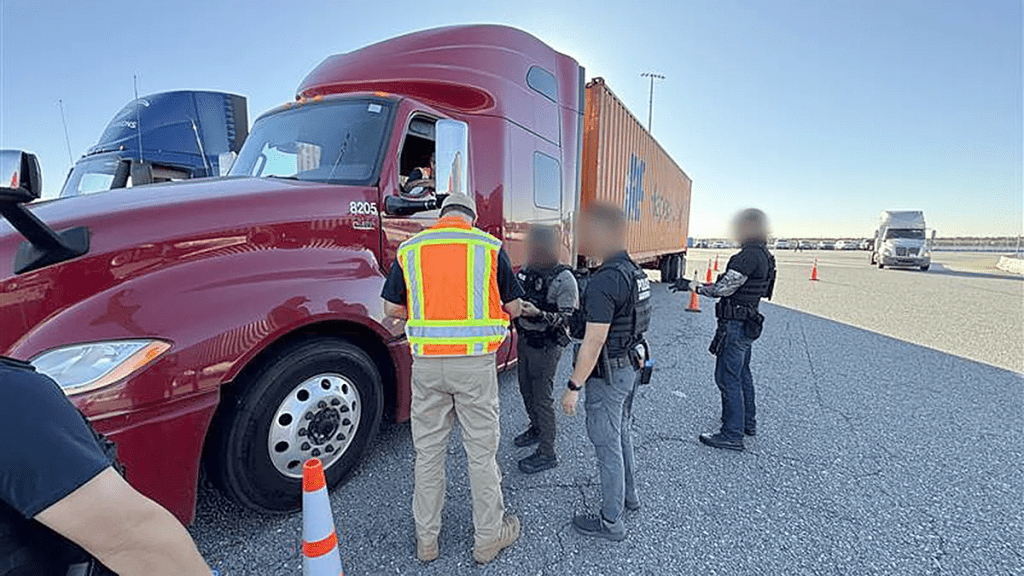
Помилки у сфері логістики у 2026 році вимірюються п’ятизначними сумами. Україна робить ставку на повну цифровізацію та автоматичні системи нагляду. «Домовитися на місці» або проскочити ваговий контроль непоміченим тепер практично неможливо. Завдяки цифровізації більшість даних перевіряється через електронні реєстри. Це ускладнює використання підроблених документів і схем обходу законодавства.
Для власників автопарків і приватних перевізників настав час жорсткої дисципліни. Сьогодні знання, які передбачені штрафи за вантажоперевезення з порушеннями, стає таким же важливим навиком, як уміння прокладати оптимальний маршрут. Ігнорування нових правил б’є по кишені та призводить до блокування бізнесу.

Транспортне законодавство України у 2026 році сфокусувалося на інтеграції з європейськими стандартами безпеки та тотальному моніторингу ресурсів. Головним нововведенням стало обов’язкове щорічне декларування транспортних засобів для потреб оборони, за порушення якого введено серйозну відповідальність. Паралельно з цим система зважування в русі (WIM) отримала розширені повноваження щодо фіксації не лише перевантаження, а й відсутності чинних дозволів в електронному реєстрі. Тепер кожен рейс відображається в єдиній цифровій екосистемі, що виключає можливість маніпуляцій з документами на паперових носіях. Основні моменти:
Системи автоматичного вагового контролю (WIM) у 2026 році працюють у постійному режимі та охоплюють більшість ключових трас. Фіксація перевантаження відбувається без участі інспектора. Порушення фіксуються автоматично, а повідомлення про штрафи за незаконне вантажоперевезення надходять власнику транспорту.
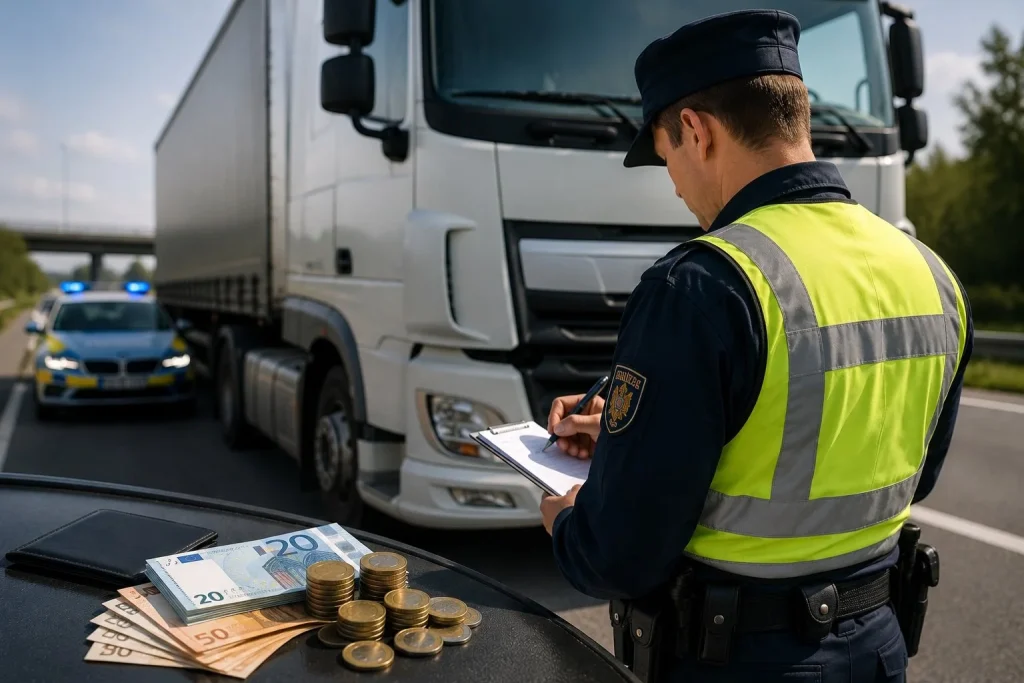
Посилився контроль з боку Державної служби України з безпеки на транспорті. Перевірки почастішали, особливо щодо міжнародних і комерційних логістичних операторів. Окремої уваги заслуговує посилення контролю за наявністю ліцензій і дозволів, підвищення відповідальності за систематичні порушення, посилення нагляду за осьовими навантаженнями, а не лише загальною масою. Введено більш сувору відповідальність за відсутність дозвільних документів.
Зміни в законодавстві спрямовані на боротьбу з перевантаженням, нелегальними перевізниками та маніпуляціями з документами. Основний акцент зроблено на автоматизацію контролю та посилення відповідальності. Актуальні штрафи за незаконне вантажоперевезення:
| Тип порушення | Сума штрафу, грн | Примітки та особливості |
| Перевантаження 5-10% | 8500 | Фіксується датчиками WIM або мобільними групами |
| Перевантаження понад 10-20% | 17000 | Штраф виписується на власника за техпаспортом |
| Перевантаження понад 20-30% | 34000 | При повторному порушенні можлива тимчасова блокування ліцензії |
| Перевантаження понад 30% | 51000 | Максимальний штраф за недотримання вагових норм |
| Відмова від ГВК (зважування) | 51000 | Стягнення передбачене за спробу об’їхати рамку WIM або відмову заїхати на ваги |
| Порушення правил перевезення небезпечних вантажів (ADR) | До 51000 | Штраф накладається за відсутність дозволів, маркування або обладнання |
| Порушення РТО | 680-3400 | Сума залежить від тяжкості порушення – відсутність картки водія, переробіток, маніпуляції з тахографом |
| Перевищення швидкості на 20-50 км/год | 340 | Діє знижка 50% при оплаті в перші 10 днів |
| Перевищення швидкості більш ніж на 50 км/год | 1700 | Критичне порушення, що часто призводить до перевірки всіх документів |
| Помилки в TTN (для вантажовідправника) | 51000 | Відповідальність покладається на співробітника, який вніс неправильні дані про вагу або характер вантажу |
| Перевищення осьового навантаження | До 51000 | Навіть без перевищення загальної маси |
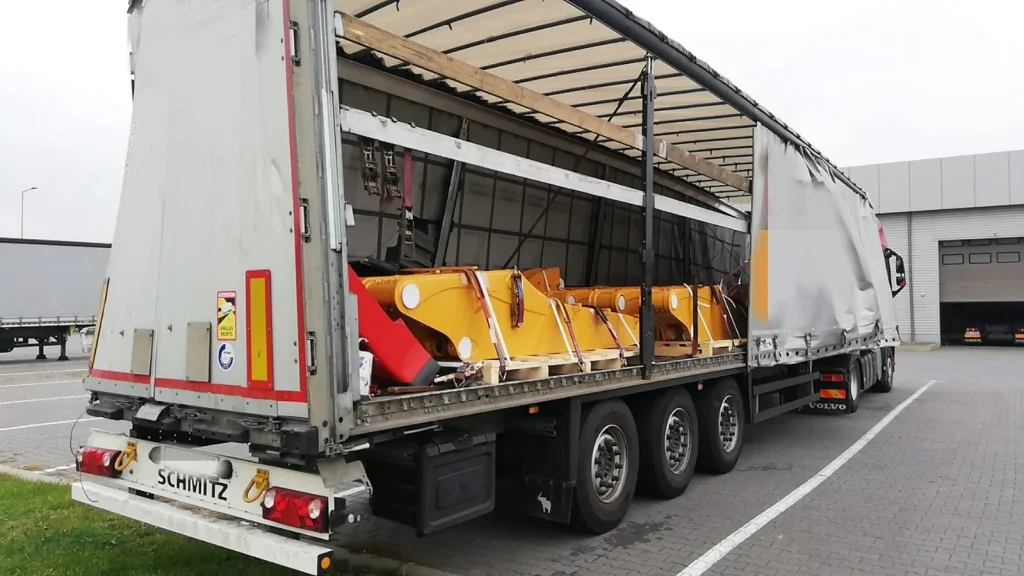
Щоб не перетворювати прибуток компанії на спонсорські внески до держбюджету, краще довірити перевезення вантажів професіоналу – транспортному оператору «Неоліт Логістикс». Фахівці зі стажем подбають про відповідність вантажу та автомобіля вимогам законодавства. Вам не доведеться сплачувати штраф за перевезення вантажу без документів або за перевантаження.
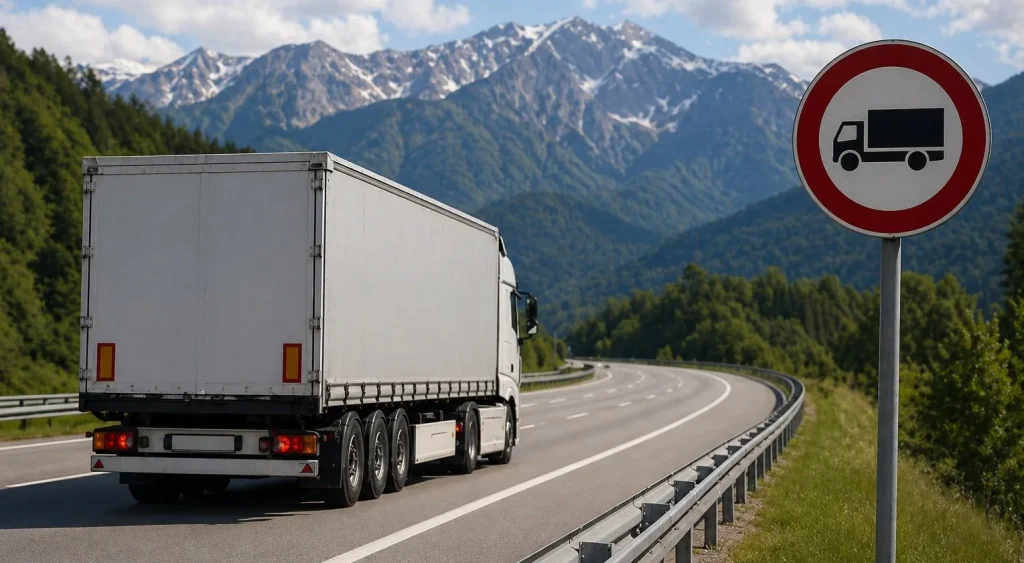
Альтернативний варіант – організація суворого контролю перед виїздом кожної вантажівки. Сучасні системи WIM практично не мають похибок, тому сподіватися на «авось» при завантаженні «під зав’язку» – завідомо програшна стратегія. Особливу увагу варто приділити навчанню водіїв роботі з цифровими підписами та інтерфейсами тахографів – технічна помилка може бути розцінена як спроба обману. Які заходи допомагають уникнути штрафів:
Важливо регулярно перевіряти транспорт перед рейсом. Помилки частіше виникають на етапі підготовки. Рекомендується відстежувати зміни законодавства, які відбуваються регулярно. У 2026 році прозорість бізнесу – це економічна доцільність. Сьогодні дешевше дотримуватися правил, ніж намагатися обійти закон.
Залиште свої контакти, щоб зв'язатися з нашим спеціалістом.