Call:
0 (800) 210-023

Mon-Fri: 9:00 - 18:00
Mon-Fri: 9:00 - 18:00
regular customers
branches
tons cargoes per year
years on the market
Safety and insurance guarantees for each shipment
Credit system for regular customers
Own road transport and rolling stock
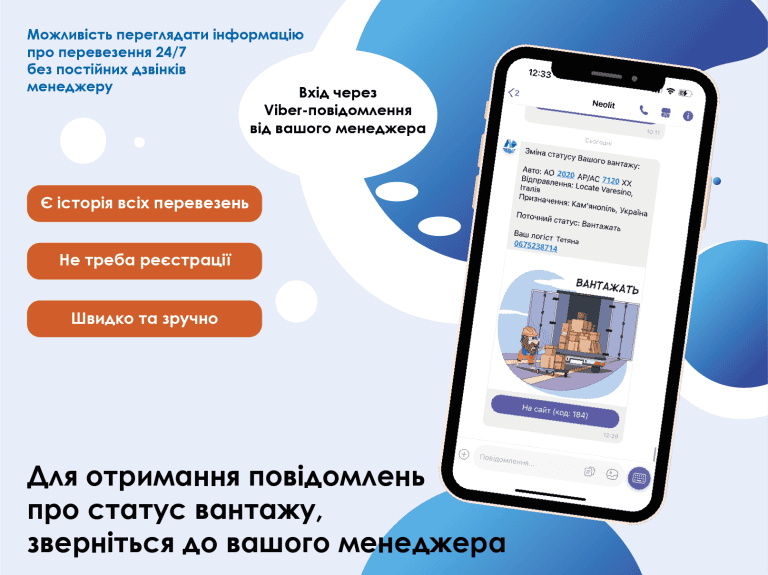
Online transportation tracking and the client’s personal account
A full range of logistics services
Transportation by all types of transport

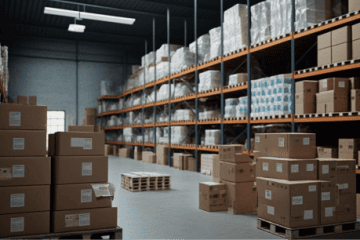

The estimated cost of transportation is indicated, all prices are calculated individually depending on the route, type of cargo and other parameters
| Direction | Sea line | The price of a 20-foot container, $ | The price of a 40-foot container, $ | |
|---|---|---|---|---|
| Constanta (Romania) – Liverpool (Great Britain) | СМА | 3534 | 3862 | |
| Gdansk (Poland) – Liverpool (Great Britain) | MAERSK | 1570 | 2160 | |
| Qingdao (China) – Gdansk (Poland) | MAERSK | 1957 | 2156 | |
| Gdansk (Poland) – Los Angeles (USA) | MAERSK | 4100 | 4478 |
The Neolit Logistics group of companies has been working on the market of domestic and international freight transportation for more than 16 years and today is one of the leading companies in the logistics market of Ukraine.
At discounted rates
SMS notification about the location of the cargo
For regular customers
Tracking of transport with the help of GPS
Regular customers




































Our company, Sivax LLC, has also used the services of Neolit Logistics on numerous occasions. This joint logistics company has...
Read the full review
To whom it may concern,OST-WEST kereskedelmi Kft is pleased to recommend FIRST UKRAINIAN FREIGHT COMPANY LLC as a reliable and...
Read the full review
I would like to express my sincere gratitude to the logistics company “Neolit Logistics” for many years of professional cooperation...
Read the full reviewWe would like to confirm that our company has a positive experience of cooperation with “Neolit Logistics”. They have proven...
Read the full reviewLeave your contacts to contact our specialist.

Sea freight remains one of the main ways to transport goods in international trade, especially for large shipments and long-distance routes. At Neolit Logistics, we organize container and consolidated shipments and coordinate both the ocean and inland stages through to the consignee.
The shipping plan is developed based on the route, volume, weight, and characteristics of the goods. Depending on the shipment parameters, we use FCL or LCL, select the appropriate container, and plan delivery to the port, the ocean freight stage, transshipment, and onward transportation.
Container transportation generally uses two main formats. The choice depends on the volume, weight, compatibility of the goods, and whether additional handling is required.
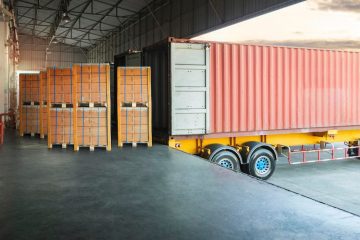
A full container load means that the entire container is reserved for one shipper’s cargo. This format is suitable for larger volumes, heavy goods, or shipments where it is important to minimize handling. FCL container shipping can also be combined with road transportation after the vessel arrives.
LCL means that part of a container is used together with cargo from other shippers. The space required depends on the volume and other shipment parameters. LCL requires consolidation before departure and deconsolidation after arrival, so these operations are taken into account when estimating transit times.
For routes where the ocean leg is only one part of the logistics chain, multimodal freight can be used. Under this arrangement, cargo may travel, for example, by both rail and truck, with all stages connected within one transportation plan.
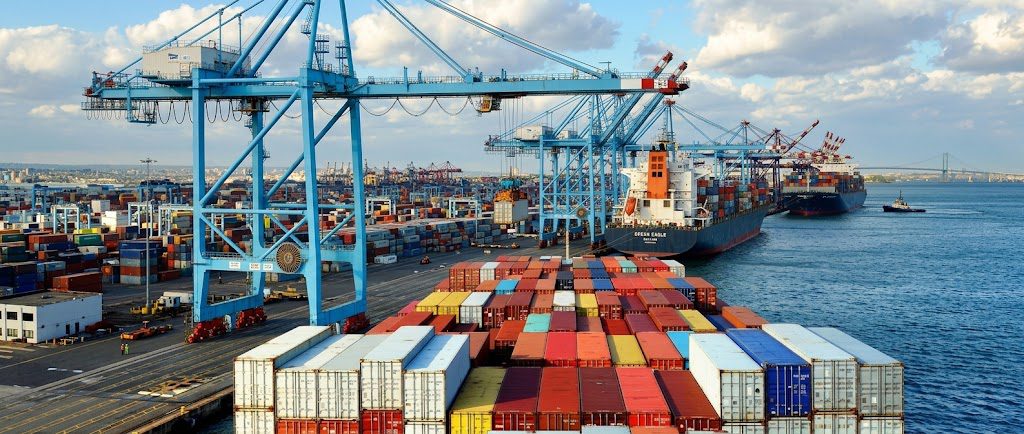
The type of equipment is selected according to the characteristics of the cargo and transportation requirements. For ocean freight, we use:
Neolit specialists select the container based on the dimensions, weight, securing method, and transportation conditions. Non-standard goods or complex loading arrangements may require cargo handling.
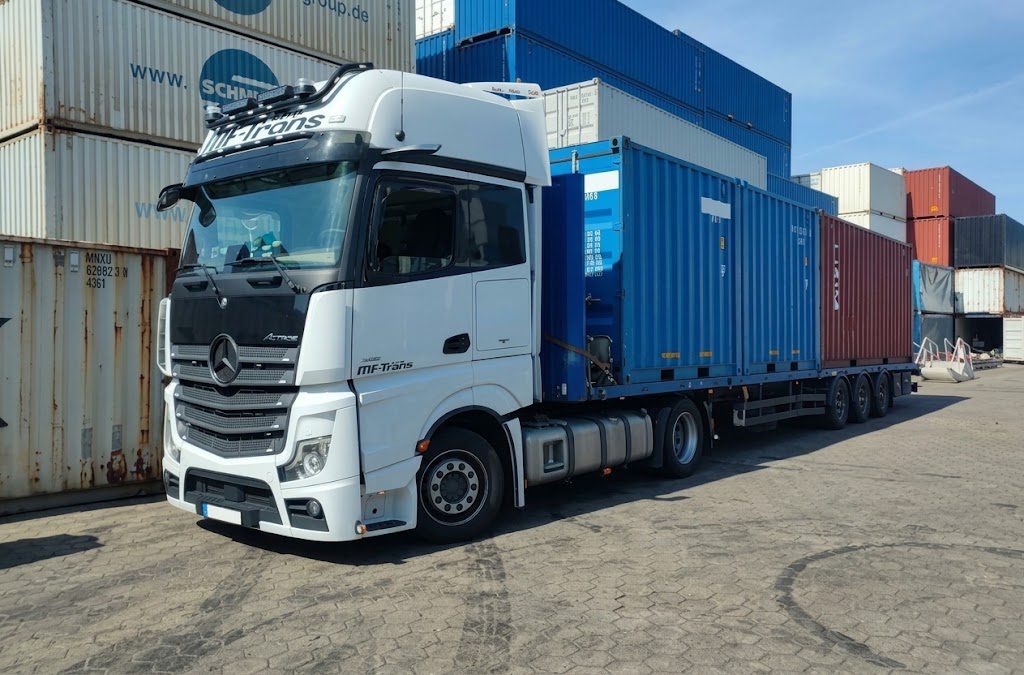
We arrange sea freight transportation in the following sequence:
Neolit coordinates delivery to the port, terminal handling, the sea leg, and onward transportation. For international shipments, customs brokerage can be included in the service package when required.
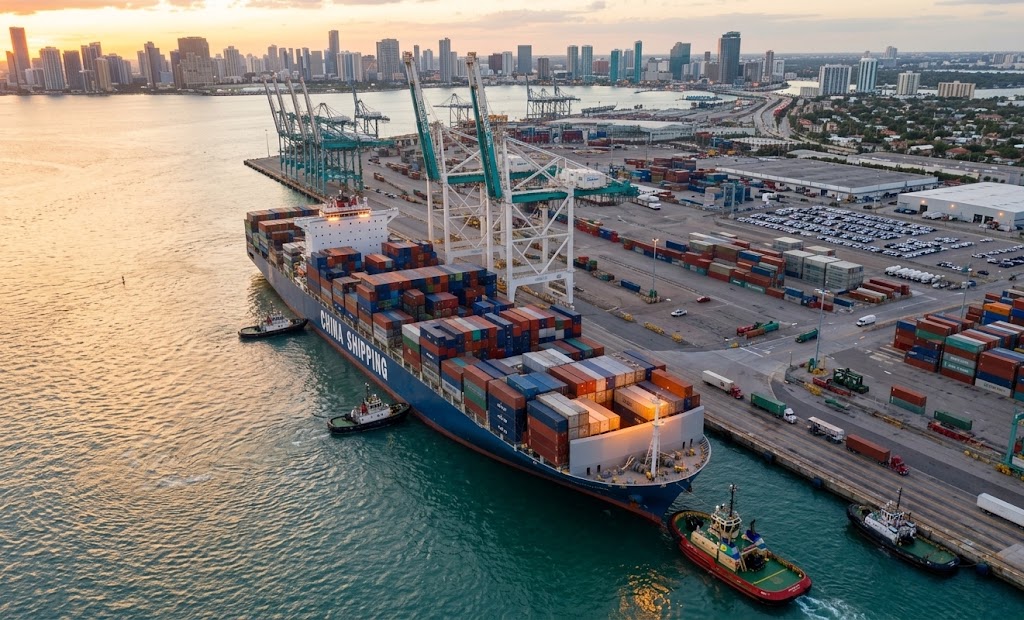
The container or individual shipment is delivered to the port by road or rail. At the terminal, the cargo is received, transshipped, and prepared for loading. After arrival, an FCL container is sent on to the consignee, while LCL cargo goes through deconsolidation.
On some routes, rail freight can be used for the inland leg. This option is suitable when cargo needs to be delivered to the vessel or collected from the port after unloading.
The cost and estimated transit time of sea freight services are calculated individually for each request. We take into account the route, ports of departure and arrival, shipping line schedule, container type and size, FCL or LCL format, weight, volume, inland transportation, and terminal operations.
For long-haul international sea freight, the route itself affects the price. For example, cargo freight to Asia often travels partly by sea and partly overland, and the ports are chosen based on where it’s going.
At Neolit, we calculate the price after receiving the exact shipment parameters. Consolidation, storage, transshipment, document processing, and special equipment may be quoted separately.
Yes, insurance can be included in the logistics arrangement. The terms and level of coverage depend on the type of goods, route, shipment value, and insurance agreement. Basic shipment details are required to calculate the cost.
Yes, Neolit provides online tracking based on the data available for the specific shipment. The status depends on information provided by the shipping line and inland transport operators. The manager can also provide updates on key changes during transportation.
Yes, for LCL shipments, cargo can be collected from several suppliers and consolidated before departure. Pickup addresses, cargo readiness, and packaging requirements need to be agreed in advance. A common transportation plan is then arranged for the combined shipment.
Yes, refrigerated containers are used for temperature-sensitive goods. The required temperature range and other conditions are agreed before booking. For certain products, terminal connection and handling requirements are also checked separately.
Yes, international sea freight can be combined with inland transportation within a single route. Ocean freight forwarding can cover transportation from the shipper’s warehouse to the consignee’s warehouse, even when both locations are far from the port.