Our permanent clients are the largest companies of Ukraine and abroad.
The Neolit Logistics group of companies has been working on the market of domestic and international freight transportation for more than 16 years and today is one of the leading companies in the logistics market of Ukraine.
Neolit Logistics is an excellent partner for freight transportation:Reliability and Professionalism.We have been successfully cooperating with this transport company for...
“Eurocool” LLC recommends “Neolit-group” LLC as a reliable and responsible partner, performing its duties in a high-quality, professional manner, without...
Our company “PAVLOGRADSKY ZAVOD MOSTOVYKH METALOKRUSKTSII” LLC “MANUFACTURING AND COMMERCIAL ENTERPRISE” LLC has already used the services of the transport...
“Volunteer movement has repeatedly used the services of the transport company “Neolit Logistics”.During the cooperation, the logistics company proved its...
Transport and logistics company “ITL-Group”, in accordance with the Agreement on freight forwarding services in domestic and international traffic under...
Road freight is used to deliver goods to a warehouse, a production site, a shop or directly to the customer. It suits small shipments as well as loads that fill an entire truck.
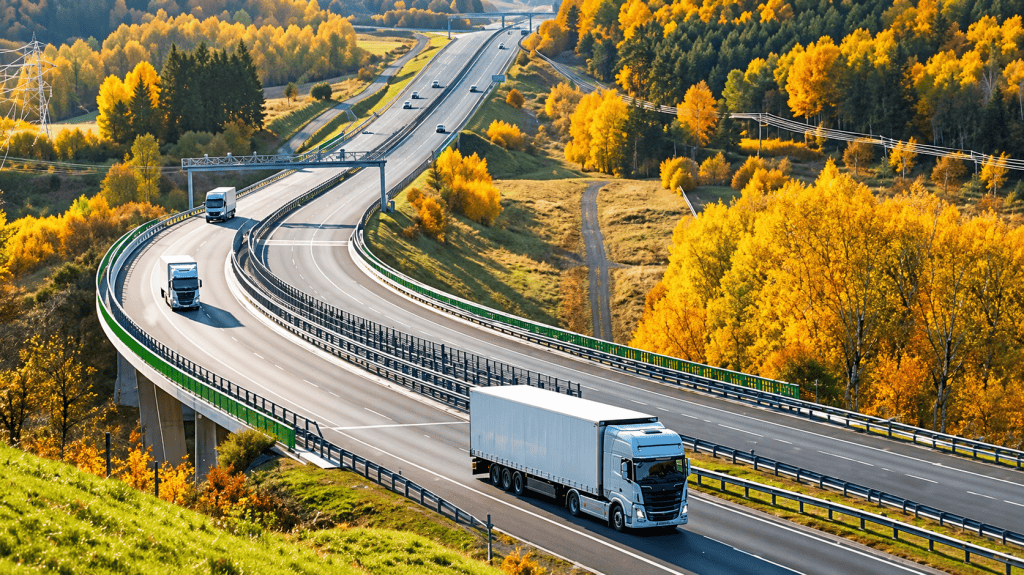
At Neolit, we arrange international road freight and deliveries between cities in Ukraine. We choose a vehicle to suit the goods, plan the route and coordinate the trip.
Road freight transport for businesses
Some companies book road freight services to restock their warehouses. Others need to send finished products to buyers or move equipment between production sites. We work with manufacturers, importers, distributors and retail chains on these trips.
If the goods are stored at different warehouses, we can arrange cargo transport across Ukraine with a stop at each address. We agree on the loading order and the truck’s arrival time beforehand. We ask for warehouse opening hours, then decide the most convenient order for collections or deliveries.
Road transport options
We first decide if a separate truck makes sense for the goods. Large loads usually travel in a dedicated truck. Smaller ones can share space with other customers’ goods. We use two formats for this: FTL and LTL.
Full truck load shipments (FTL)
All the goods in a full truck load (FTL) shipment come from one customer. This suits large loads or products that are better transported separately. The driver doesn’t need to stop to collect other customers’ shipments.
Groupage road transport (LTL)
You don’t have to book a whole truck for a small quantity of goods. We offergroupage shipping, where shipments from different customers travel in one vehicle. Before dispatch, we check whether the goods can travel together and agree on the delivery conditions.
Which vehicles do we use
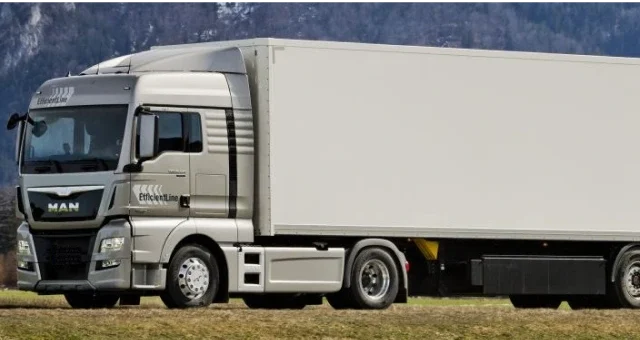
We choose the body type based on the goods. The vehicles we use include:
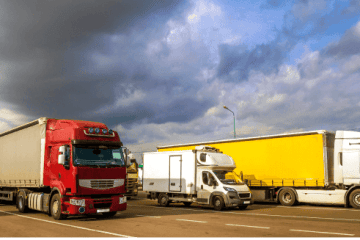
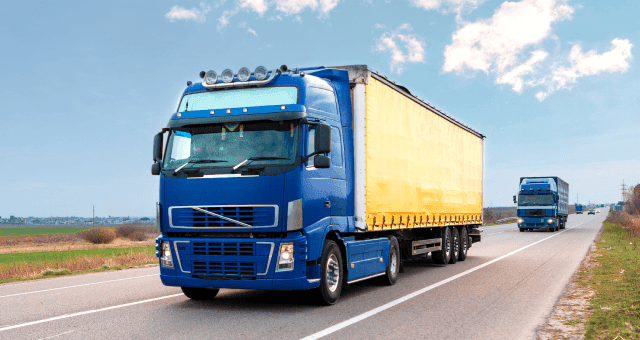
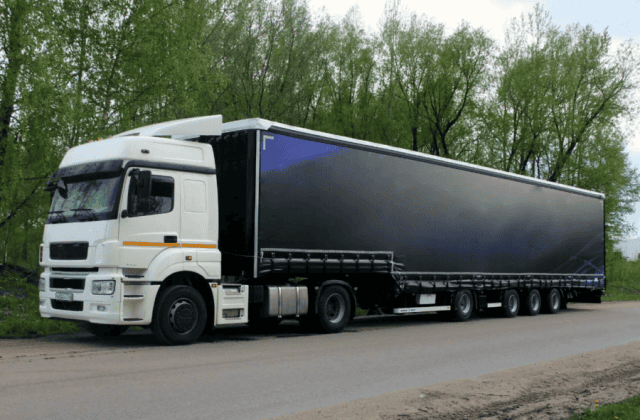
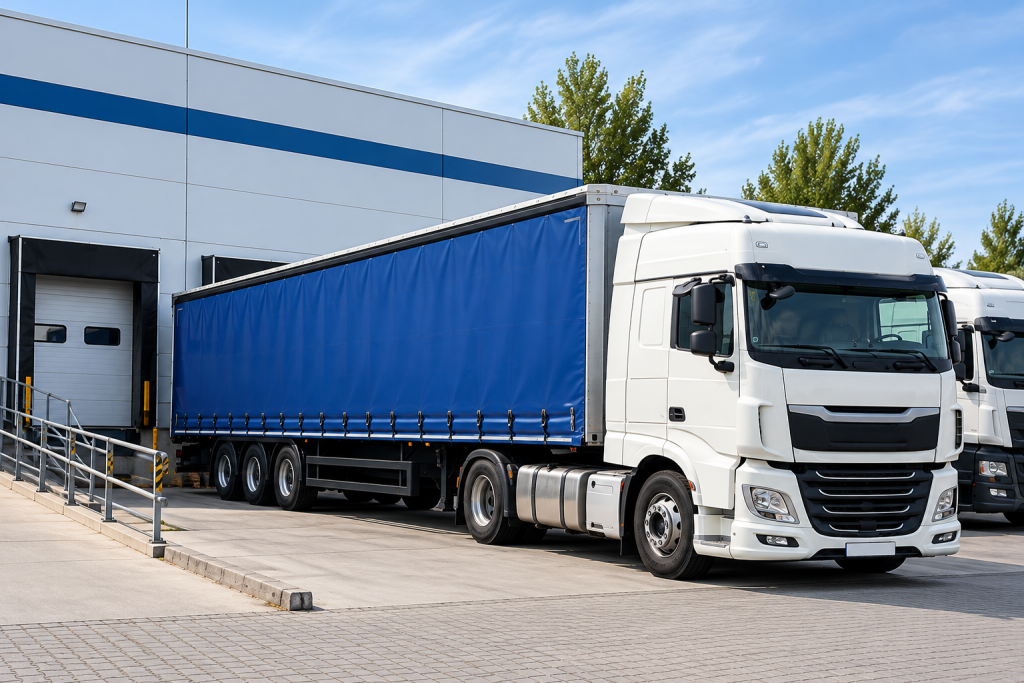
Curtainsider trucks — for pallets, boxes and industrial products.
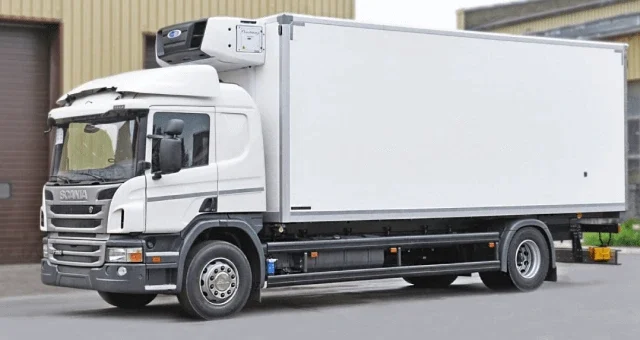
Refrigerated vehicles — for products with specific temperature requirements.
Insulated vehicles — for goods that need protection from sudden temperature changes.
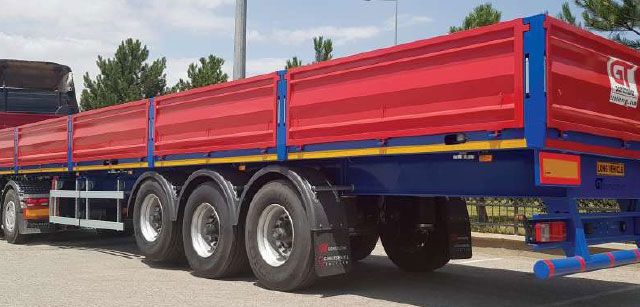
Specialised platforms — for machinery and structures that won’t fit inside an enclosed body.
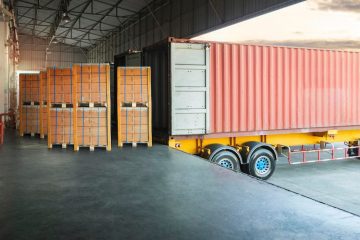
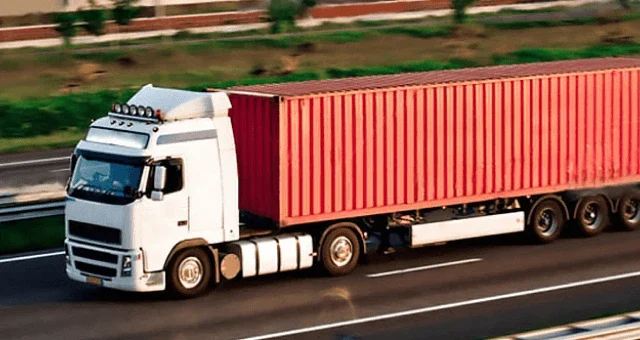
Container carriers — for moving containers between terminals and recipients’ warehouses.
Jumbo trailers and truck-and-trailer combinations — for bulky shipments that need more space.
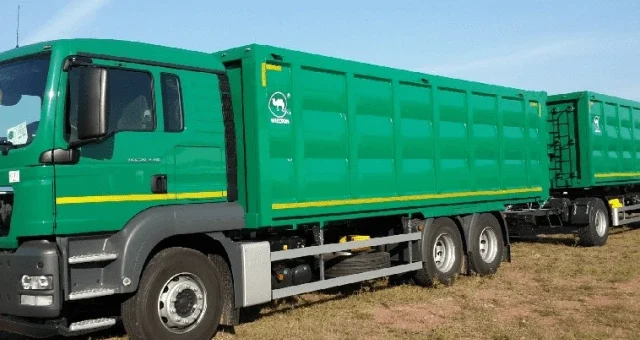
Grain trucks — for grain and other suitable bulk products.
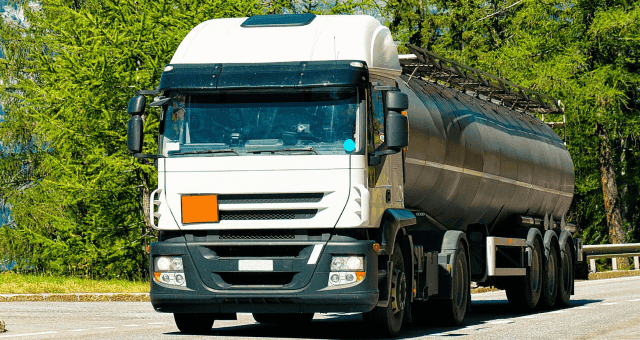
Tankers — for liquid cargo, taking its properties into account.
Payload capacity and cargo volume are listed in the vehicle cards on this page.
What goods can travel by road
Truck transportation is used for both raw materials for production and finished products. Common loads include:
components and production equipment;
furniture, building materials and metal products;
clothing, household appliances and goods for shops;
food products with special storage requirements;
vehicle parts, tools and electronics.
Large structures, specialist machinery and heavy equipment need a separate plan. For these loads, we arrange oversized cargo transport, checking the route and permit requirements.
How we organise road freight transport
To book a shipment, send us the goods details, addresses and preferred dates. We then work through these stages:
Request. We confirm the number of packages, weight, dimensions and product properties.
Vehicle selection. We choose the body type and check vehicle availability.
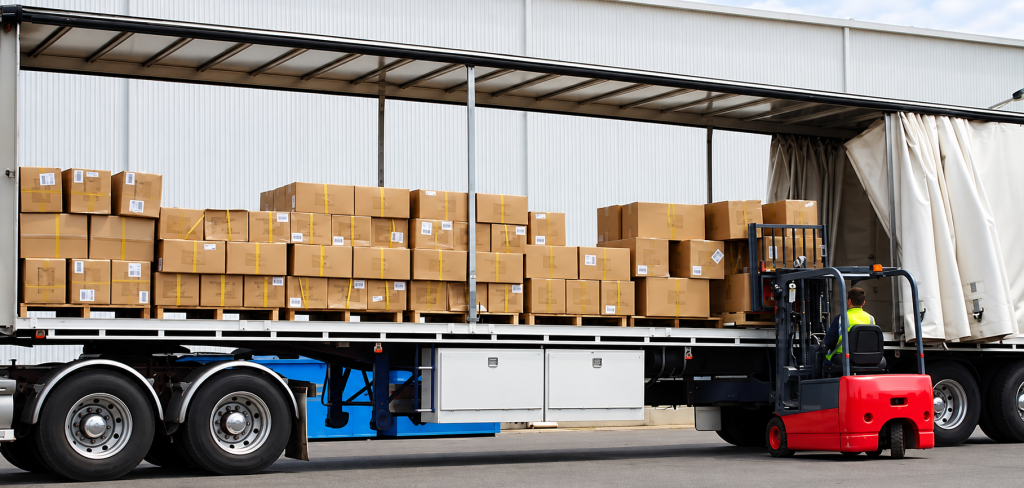
Loading. We agree on when to send the truck and who will be responsible for loading.
Route. We plan the journey and approximate arrival time.
Support. We stay in touch with the driver and tell the customer about any changes during delivery.
Forfreight transport to Europe, we check which documents are needed for the goods and how customs clearance will be handled along the route.
What affects the price of road transport
The price depends on the distance, shipment weight and dimensions, body type and loading method. The route and the arrangements for getting the vehicle to the loading point also affect the cost. Fill in the shipment details in the form below so we can work out an estimated delivery price.
FAQ about road freight transport
Can I book a truck for top or side loading?
Yes, we can find a vehicle that can be loaded from above or from the side. When booking, tell us how the goods will be loaded into the truck. We’ll use that information to choose suitable transport.
Can goods be loaded without a warehouse loading dock?
You may still be able to send the goods without a loading dock. Before we send the truck, we find out what loading equipment is available at the address. Then we agree on a workable loading method.
Can we book regular trips with a different shipment size each time?
Yes. Each departure can have a different quantity of goods. We ask for the amount and total weight before each trip. If the volume changes a lot, we’ll look again at which vehicle to use.
Can I request a truck with special fixtures for securing equipment?
Yes. First, we find out how the equipment needs to be secured inside the truck. We ask about its weight, dimensions and attachment points. With that information, we can check the fittings available on the vehicle.
How can we dispatch goods earlier than planned?
As soon as the warehouse confirms the goods are ready, let the manager know. We’ll check whether the truck can arrive earlier. We’ll agree on the new date and time separately.