Call:
0 (800) 210-023

Mon-Fri: 9:00 - 18:00
Mon-Fri: 9:00 - 18:00

In 2026, the European logistics landscape has completely transitioned to a digital world, where transparency has become a strict legal requirement. EU regulatory authorities now use integrated monitoring systems that enable violations to be identified in real time, without having to wait for a truck to physically stop. For carriers, this means the era of paperwork is over, and the cost of error has increased exponentially. To stay afloat and avoid blockages, it’s essential to be fully aware of the current fines for illegal cargo transportation in the EU and understand the new enforcement mechanisms.

Logistics professionals working in the European market require impeccable knowledge of the regulatory framework, which in 2026 became even more synchronized across all EU member states. A key focus is on the Mobility Package I, which eliminated loopholes in cabotage and driver posting regulations. Legal liability is now distributed not only to the transport company but also to the shippers if they knowingly knew of violations. Compliance with these regulations is the only way to maintain a company’s good name in the ERRU system. The main documents regulating cabotage in the EU are:
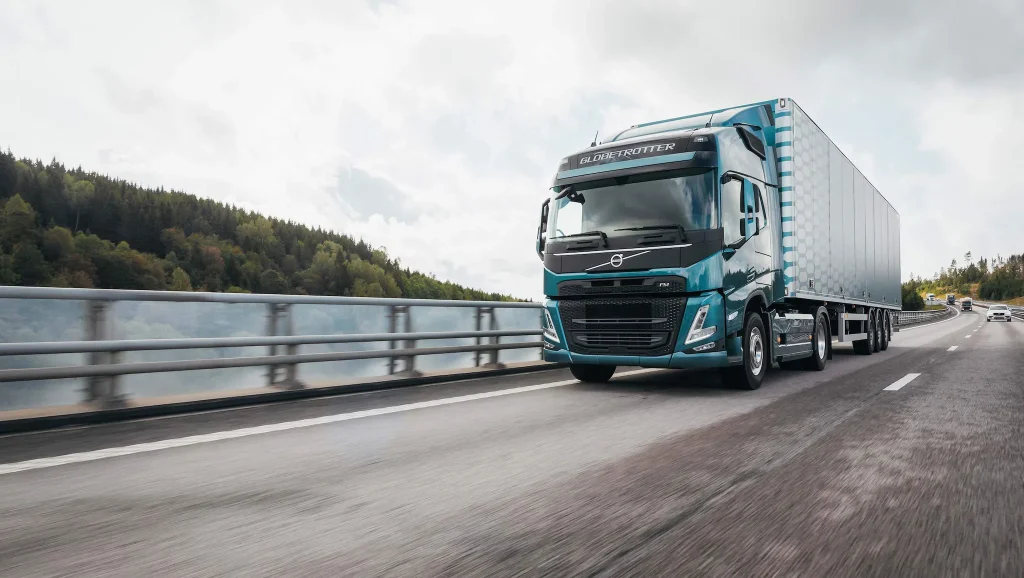
Cabotage shipping in Europe is one of the most strictly regulated areas of commercial activity. Violations of legal requirements are considered a potential threat to safety, the environment, and the economy. In 2026, controls became significantly stricter – data exchange between countries was improved, fines increased, and criminal liability was introduced for some violations.
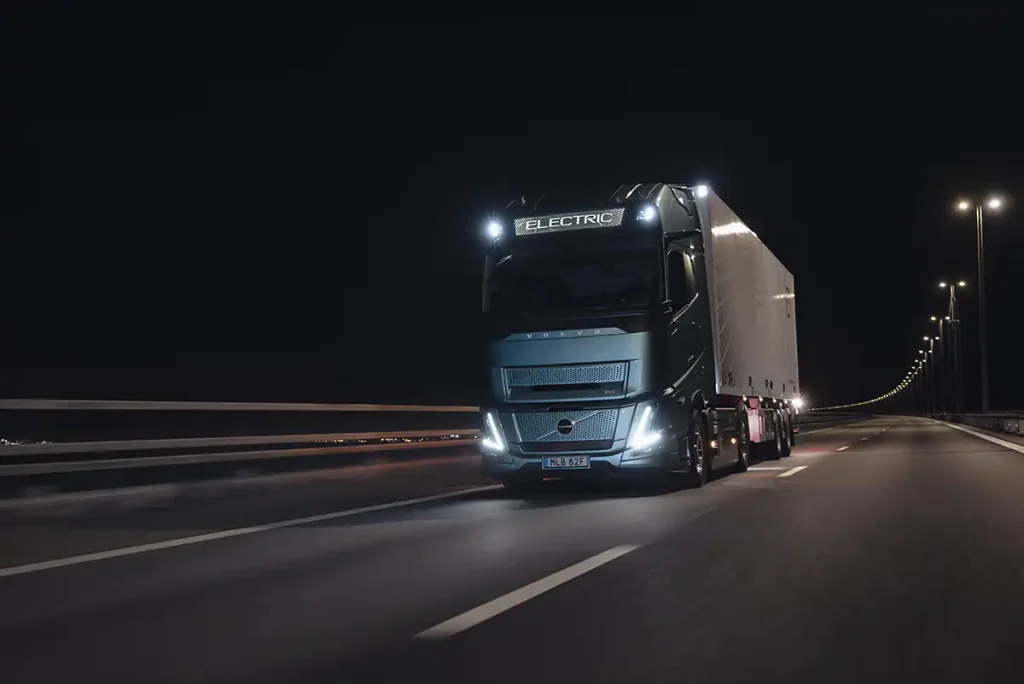
The main development of 2026 was the extension of strict controls to light commercial vehicles (LCVs) with a carrying capacity of 2.5 to 3.5 tonnes. Starting July 1, 2026, these vehicles will be officially required to be equipped with smart tachographs for international travel. This decision aims to combat the “gray zone” of express delivery, where drivers often worked without observing work and rest periods. Now, small businesses face the same inspections and fines as large logistics operators. Key changes:
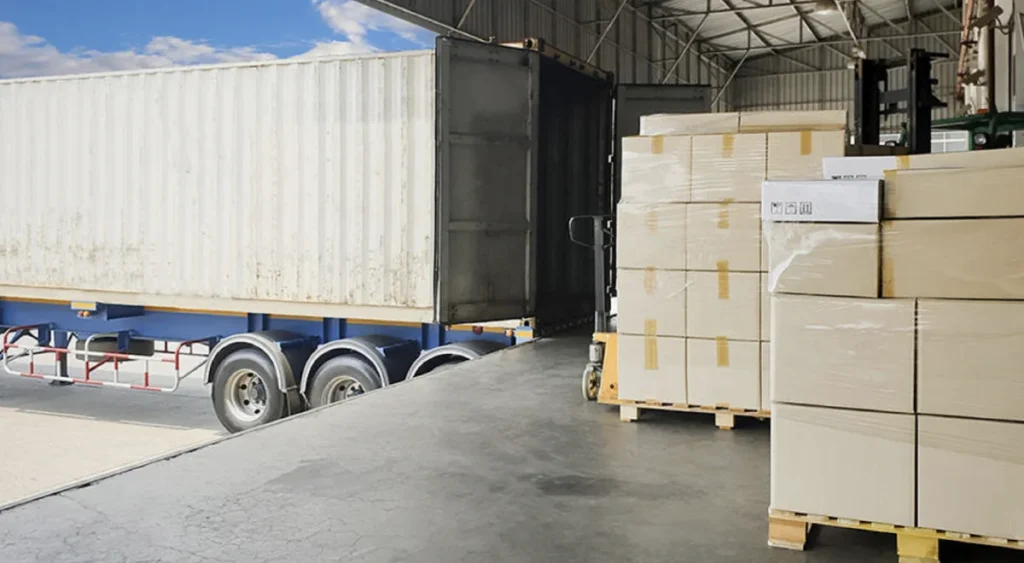
Even transportation with seemingly “minor” violations can be considered illegal. For example, incorrect ADR marking or the absence of a single document. In 2026, the EU implemented several reforms aimed at combating illegal transportation and gray market schemes. To avoid unwanted consequences in the form of large fines, criminal liability, and confiscation of goods and vehicles, it is best to entrust cargo transportation across Europe to the reliable logistics company Neolit Logistics.
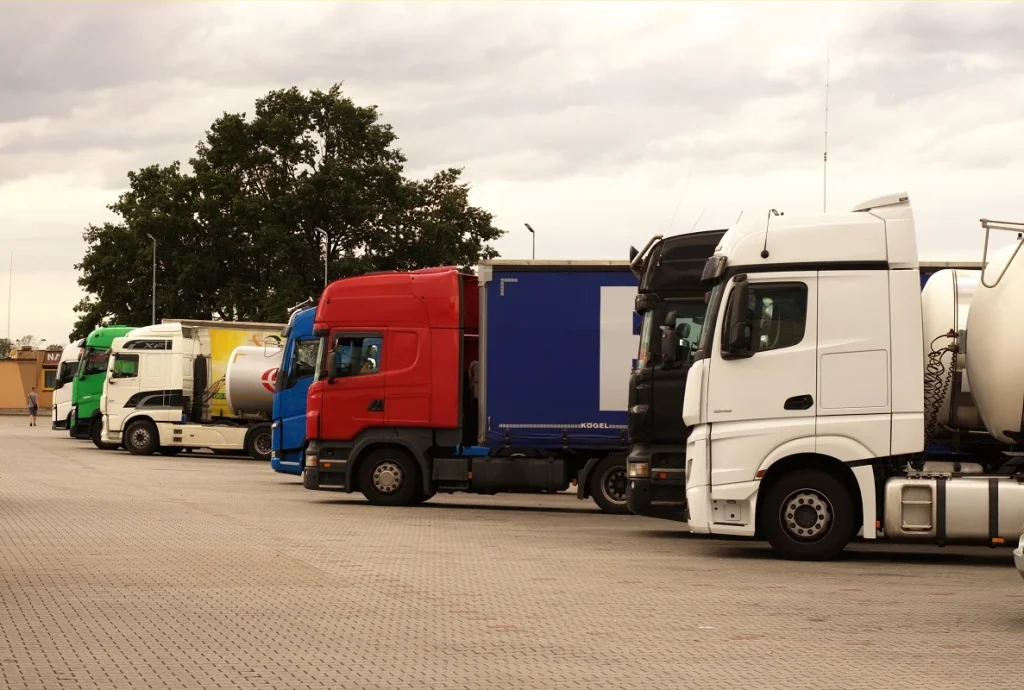
The points system within the ERRU (European Road Transport Undertakings Register) has evolved into a fully-fledged “survival rating” tool. Each violation is classified according to severity, from serious (SI) to most serious (MSI). Accumulating a critical number of points triggers a review of the transport operator’s “good reputation.” If the limit is exceeded, the company risks losing its license to operate throughout the European Union, not just in its country of registration. Key points:
Consequences include personal liability for the head of the transport company, which may lead to disqualification and a ban on holding similar positions for up to several years.
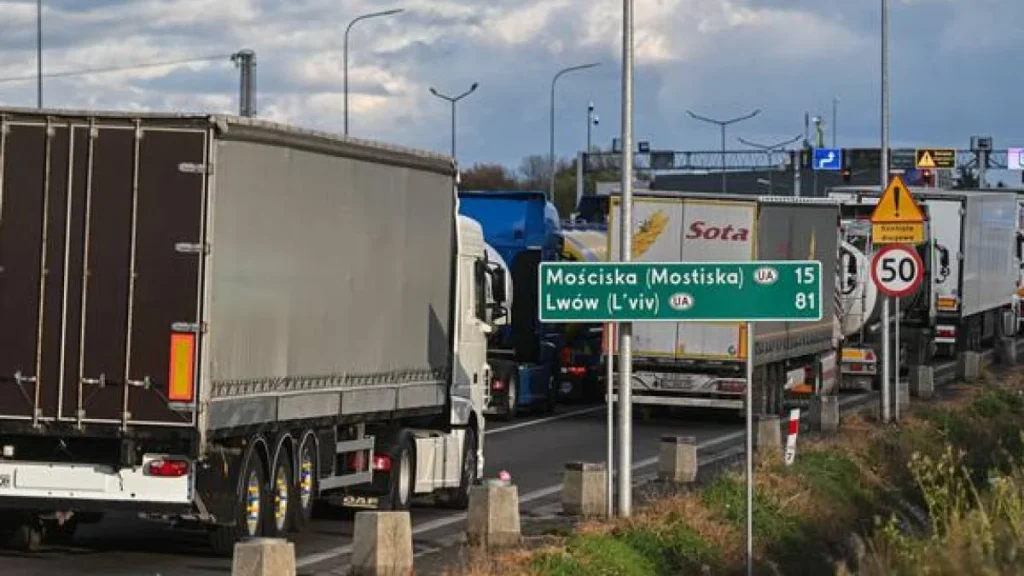
The sharp increase in fines in 2026 is dictated by the European Commission’s commitment to maximum safety and environmental neutrality. Authorities view high fines for illegal freight transport in the EU as the only effective barrier against unfair competition and dumping by companies that ignore drivers’ social rights. The introduction of the Eurovignette digital permit, based on vehicle CO2 emissions, has made it financially unprofitable to use older fleets. Now, any attempt to cut corners on environmental compliance or safety is more costly for carriers than modernizing their businesses. The main reasons for increasing fines are:
Illegal cabotage in Europe has become an extremely dangerous activity. Fines of up to €250,000 and imprisonment for up to six years are imposed for transporting goods included in the sanctions list.
European legislation in 2026 finally enshrined the transition to strict digital control, turning any administrative oversight into a serious financial threat for carriers. Fines no longer simply punish for misdemeanors, but are aimed at completely eradicating “gray” dumping and increasing environmental responsibility.
Modern systems for automatic weight scanning and on-the-fly tachograph data reading virtually eliminate the influence of human error during inspections. In such circumstances, knowledge of the exact fine amounts and current requirements becomes a critical element of risk management for any transport company.

Administrative penalties in 2026 vary significantly depending on the severity of the violation’s impact on road safety and the environment in the region. Maximum fines are imposed for tampering with control devices and systematic failure to comply with work regulations, which are classified as “most serious violations” (MSI). For technical errors in documents or minor speeding violations, progressive fines are provided, which can double for repeat violations within a year. In many EU countries, such as Denmark and Italy, inspectors have the right to detain a vehicle until all fines are paid in full.
Fines start at €80-€150 for exceeding the speed limit by 10 km/h and can reach €900 or more for exceeding the speed limit by 30 km/h, often accompanied by a temporary suspension of the driver’s license.
The minimum fine for overloading by up to 5% is approximately €250-€350. For exceeding the permitted weight by more than 20%, the fine increases to €1,500-€3,500, with a mandatory driving ban until the vehicle is unloaded.
Errors in the use of a tachograph cost the driver €250-€500, and the company €750-€1,500. If the transport operator deliberately manipulates the device’s readings (using magnets or software), fines for violating the permitted weight limits in Europe can reach up to €6,000.
In Germany, the absence of a sticker carries a fine of €100, in France up to €135, and in Denmark, driving a truck without permission into an environmental zone can cost up to €2,700.
The fine for transporting cargo without documents in the EU can reach €3,000. Failure to register in the IMI system can result in fines of up to €30,000. The fine for not having a FRC (Further Information Record) certificate, which confirms the compliance of an insulated vehicle with regulations for the transport of perishable goods, varies by country. For example, in Spain the fine is €500, while in Italy it is up to €660.
The fine for violating regulations for the transport of dangerous goods in the EU depends on the type of violation. In Germany, exceeding the permissible weight of dangerous goods carries a fine of €425 for the driver and €850 for the employer. In Italy, fines increase to €800-€1,700. Violations of labeling, documentation, or packaging requirements for dangerous goods are classified as serious violations with corresponding consequences. Serious ADR violations can cost up to €30,000-€100,000 and even lead to imprisonment.
The size of financial penalties varies significantly depending on the country’s national policy and the level of development of its transport infrastructure. Countries in “Old Europe,” such as Germany and France, focus on high fines for social and environmental violations. Poland and the Czech Republic are gradually aligning their tariffs with the pan-European level. Southern countries, such as Italy and Spain, traditionally impose the harshest penalties for weight control violations and the lack of permits.
Leave your contacts to contact our specialist.