April 27, 2026

What is project cargo?

Автор: Neolit Logistics Оновлено: April 28, 2026
What is project cargo?

Project cargo: logistics without templates or how to deliver without losses

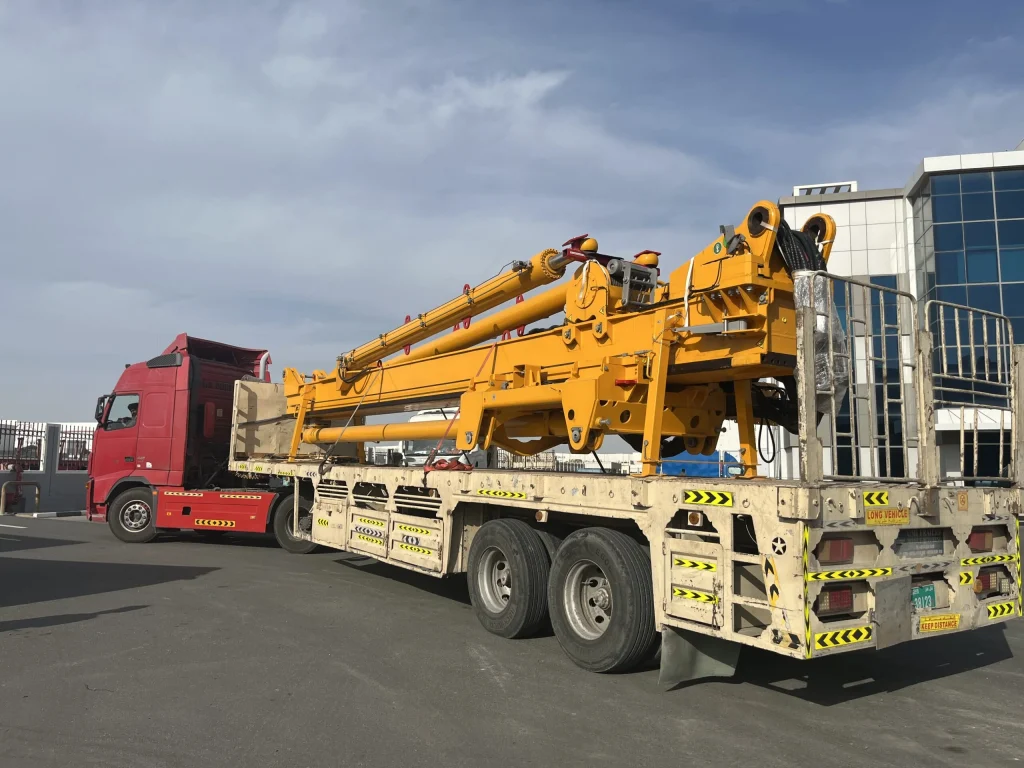
In the world of logistics, some tasks can be solved with a single phone call, while others require months of engineering preparation. When equipment weighs hundreds of tons and is longer than three standard trucks, conventional transportation rules no longer apply. This is where standard “freight” ends and project logistics begins.

It’s not simply moving an object from point A to point B. It’s a complex equation with dozens of variables:

  • the strength of bridge decks;
  • the height of power lines;
  • the turning radius on mountain roads;
  • the bureaucratic labyrinths of different countries.

Project cargo transportation is the art of delivering the “impossible,” ensuring the schedule for factory construction, the modernization of thermal power plants, or the launch of new production lines.
Anatomy of the concept: why project cargo is not simply “oversized”

What is project cargo?

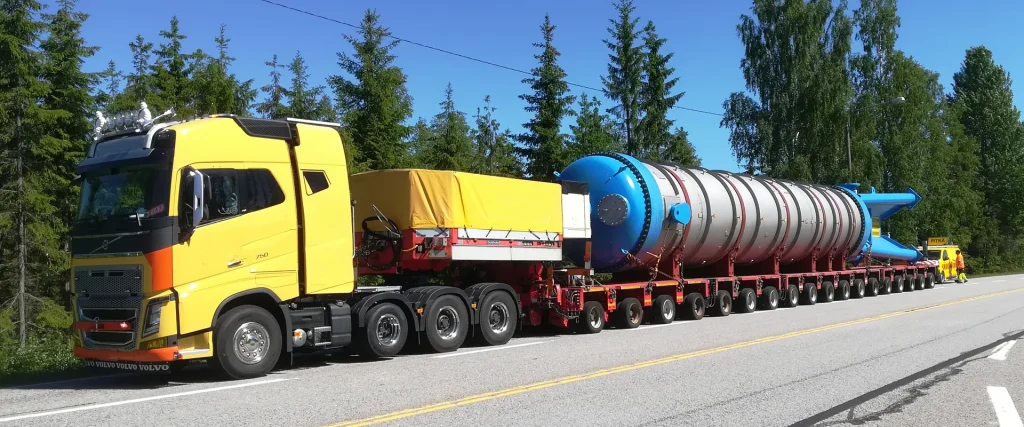
Many clients and even novice logisticians often confuse these concepts. Let’s clarify. An oversized load is an object whose dimensions (width, height, and weight) simply exceed the limits of a standard truck. It can be transported on a standard low-bed trailer with standard approval.

Project cargo is always a complex, multi-layered process. It could be an entire production line consisting of 50 different components that must arrive at the construction site in a strictly defined sequence. If component #5 (the foundation slab) gets stuck at the boundary, but component #12 (the unit roof) arrives on time, a crane operation costing $15,000 per day will be wasted.

Comparison Chart: Standard Logistics vs. Project Solutions

CharacteristicsStandard logisticsProject transportation
PlanningFrom a couple of hours to 1-2 daysFrom 2 weeks to 8 months
RouteShortestThe only possible 
TransportStandard (tarpaulin, refrigerated, container)Modular trailers, barges, Heavy Lift vessels
RisksDelays of a couple of hoursStoppage of an entire enterprise
TeamDriver + logisticianEngineers, lawyers, riggers, police
DocumentationTTH, CMR, invoiceSpecial permits, bridge reinforcement projects

Project transportation requires mathematical precision. An error in calculating the center of gravity of just 15-20 cm can lead to the overturning of a platform worth millions of euros. Therefore, at Neolit ​​Logistics, each such case is treated as the creation of a unique technical regulation.
What exactly do we transport: categories of industrial complexity

What is project cargo?

In our practice, project cargo transportation most often involves objects that form the “skeleton” of the modern economy. These are the assets that generate GDP.

  1. Energy. Power transformers, turbines for hydroelectric and thermal power plants, wind turbines. Incidentally, a modern wind turbine blade can reach 85 meters in length. Turning it at a typical intersection requires the skill of a jeweler and specialized equipment with remotely controlled axles.
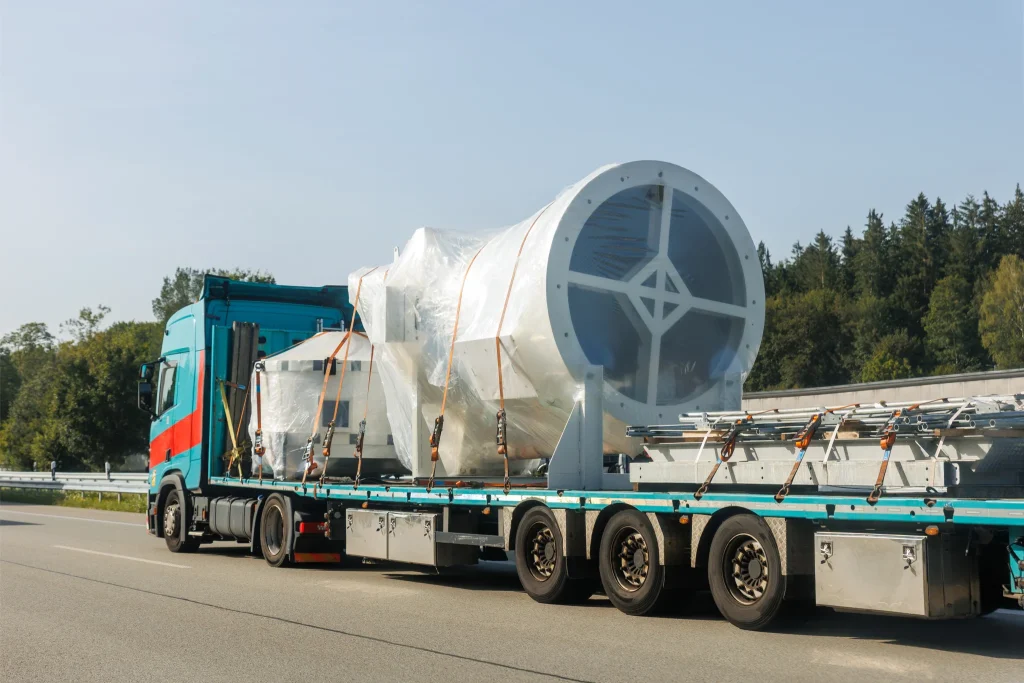
  2. Oil and gas industry. Hydrocracking reactors, drilling rigs, huge storage tanks (VST), processing columns. Often, such cargo has a diameter of over 6-7 meters, making transporting it on regular roads a task like “threading a rope through the eye of a needle.”
  3. Heavy industry. Rolling mill lines, hydraulic presses, giant aircraft manufacturing machines.
  4. Infrastructure. Bridge beams, tunnel boring machines, modular prefabricated plants.

When the transportation of project and oversized cargo is combined, we are dealing with “ultra-oversized cargo.” These are objects that physically cannot pass under bridges or require temporary dismantling of railway overhead lines.

Engineering Preparation: Why Road Surveys Are More Important Than Engine Power

If you think project freight transportation begins with starting the engine, you’re mistaken. It begins with drawings, field visits, and hundreds of approvals.
What is project cargo?

Stages of the “invisible” work of engineers:

  • Infrastructure analysis. We study every bridge and overpass along the route. Will it support 250 tons of distributed weight? If not, we develop a temporary bridge reinforcement project or build a bypass embankment.
  • Track geometry. Will a 50-meter-long road train navigate a tight turn in the historic city center? Computer trajectory modeling (AutoTURN) is used to answer this question.
  • Obstacle removal. Sometimes, to allow project cargo to pass, we have to temporarily dismantle traffic lights, road signs, billboards, and even shut down power lines. We’ve had cases where we had to lift 110 kV cables to allow an oil refinery column to pass underneath.
  • Synchronization with installation. The project cargo must arrive precisely within the foundation’s readiness window. Earlier, there was no space to store and secure it; later, there was simply no space for an installation crew and specialized cranes.

Technological arsenal: what giants travel on

A standard lowboy is not enough to perform high-quality project transportation. Neolit ​​Logistics utilizes engineering solutions reminiscent of technology from science fiction films:

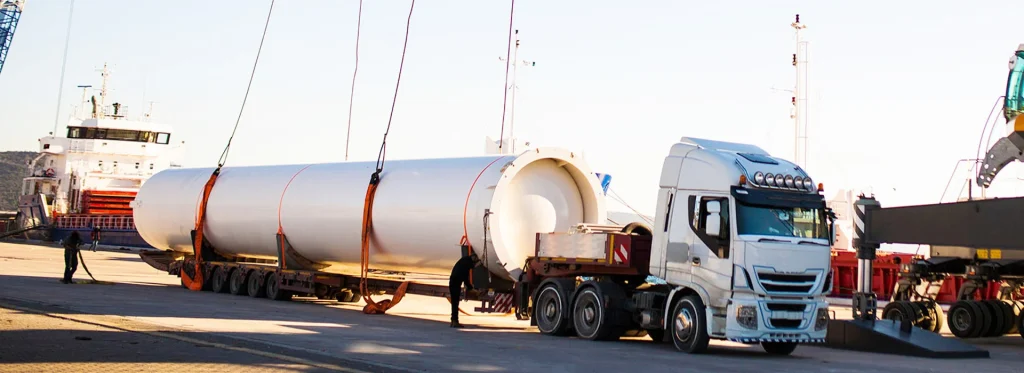
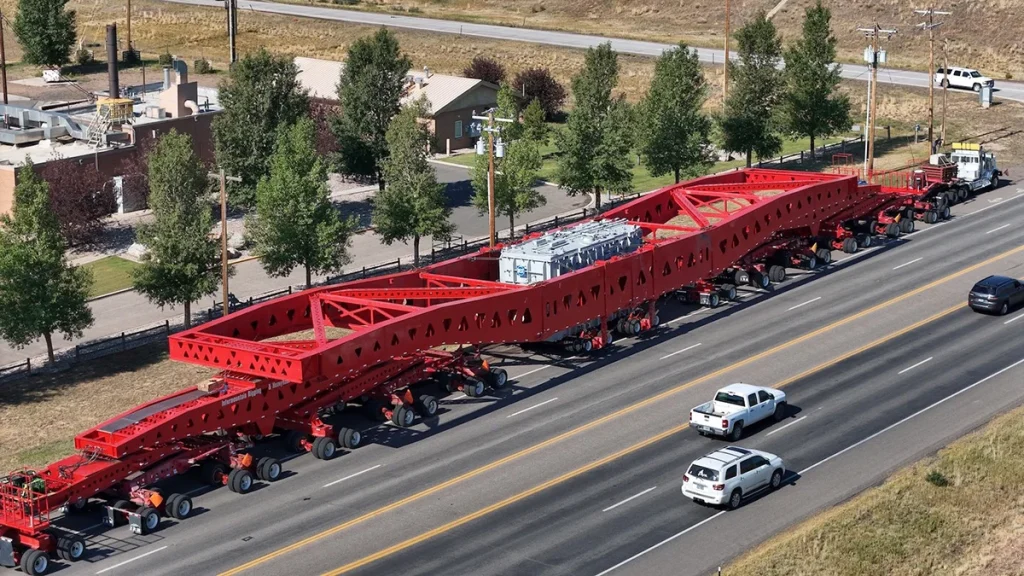
  • Modular trailers (THP/SL). These are sections that can be connected lengthwise and widthwise (side-by-side docking). Each axle line of such a trailer can support up to 45 tons. Hydraulic suspension allows the platform to be adjusted to accommodate low bridges or raised above obstacles.
  • Telescopic platforms. Specialized semi-trailers that extend up to 50-60 meters for transporting wind turbine blades or bridge beams.
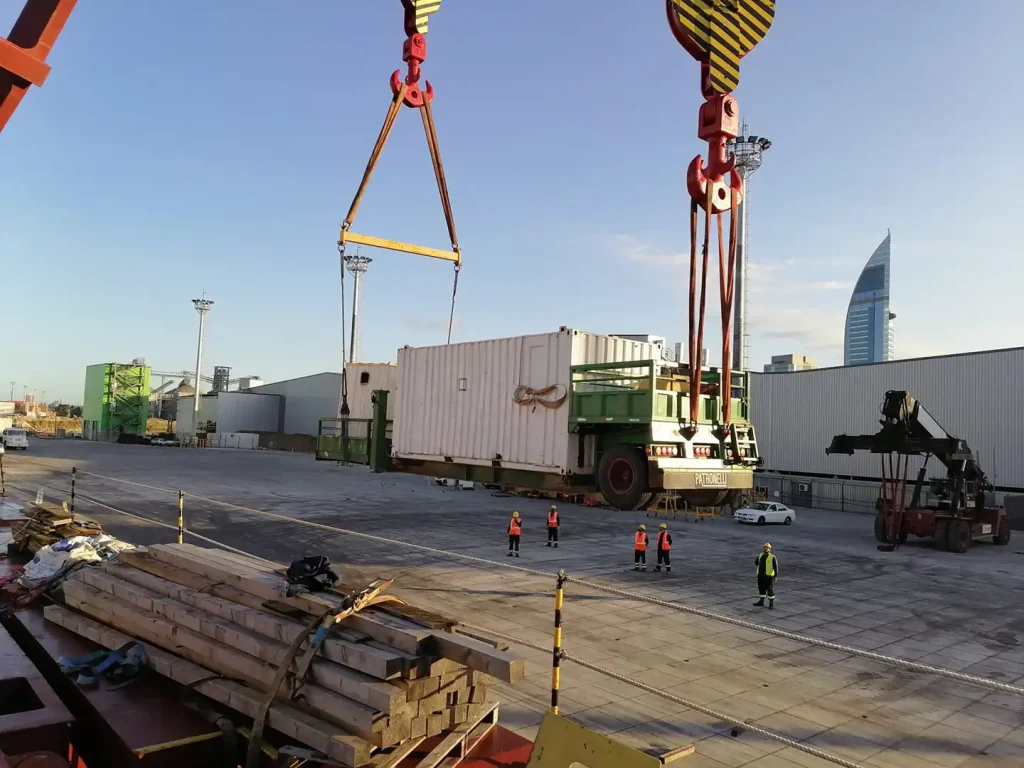
  • Heavy Lift Vessels. For international sea legs, we use vessels equipped with their own cranes with a lifting capacity of up to 2,000 tons. This allows us to operate in ports without powerful shore-based equipment.
  • Rail Transporters. Multi-axle platforms (up to 32 axles) are used when roads cannot accommodate the weight of the cargo due to axle restrictions.

This combination of equipment ensures that the transportation of project and oversized cargo proceeds smoothly.
What is project cargo?

Documentary chaos or perfect order?

Project cargo transportation involves tons of paperwork. We work in various jurisdictions, from Ukravtodor to the road services of the EU and Central Asia. Each country has its own nuances:

  1. Special permits. In some regions, waiting for a permit to transport extremely oversized cargo can take up to two months.
  2. Escort. Police patrol cars, escort vehicles with flashing lights, and utility removal specialists.
  3. Curfew. In many countries, the movement of such cargo is permitted only at night to avoid blocking traffic.

Important: Without the correct documentation, the cargo can be seized at the first weighbridge. This isn’t just a fine – it can mean weeks of downtime and colossal losses. We take on this entire bureaucratic block, acting as a single window of responsibility.

Multimodality: When One Mode of Transport Isn’t Enough

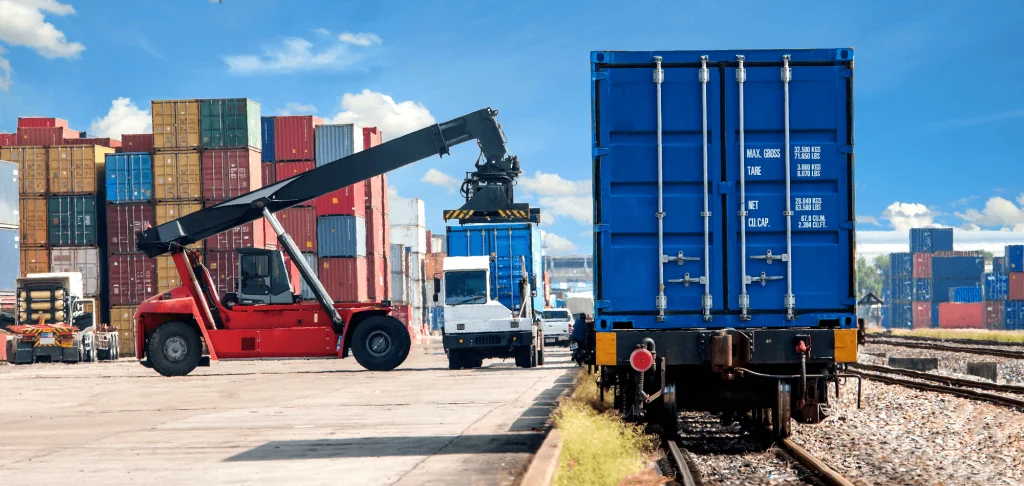
Rarely can a project cargo be delivered door-to-door by just one mode of transport. Most often, we create a multimodal chain:

  • From the factory by truck to the nearest port or railway station.
  • Transshipment – ​​using Ro-Ro or heavy cranes.
  • Barge/Vessel for crossing water obstacles.
  • Rail platform for transcontinental sections.
  • Final road leg – delivery directly to the customer’s foundation.

At each stage of the transport changeover, surveyors – independent experts – are present to record the condition of the cargo, the security of the fastenings, and the absence of damage. This is a mandatory safety requirement in project management.
Risk Management: The Foundation of Your Peace of Mind

What is project cargo?

In project transportation, insurance is not a formality, but a strategic necessity. We assess not only the likelihood of accidents, but also:

  • Natural factors – ocean storms, seismic activity in mountainous regions, icy roads.
  • Technical risks – metal fatigue of fasteners, calculation of tensile forces during ship roll.
  • Geopolitics – changes in transit regulations, border or port closures.

We implement a dual-control system: impact sensors, GPS beacons with autonomous power supply, and tilt sensors. You can see in real time via your personal account the location of your facility and whether the speed limit is being observed.
Why Neolit ​​Logistics is about results, not process

What is project cargo?

For a business owner, project cargo is the “heart” of their future enterprise. You don’t buy “freight” from us; you buy a timely production launch.

Our advantages:

  • Transparency. A detailed Project Plan is provided before the contract is signed. No “hidden” surcharges for escorts or downtime that weren’t agreed upon in advance.
  • Expertise. We understand the specifics of road surfaces and customs procedures both in Ukraine and abroad.
  • Comprehensive approach. We organize not only transportation but also professional rigging (loading/unloading) using jacking systems if cranes are unable to handle the task.

Project cargo requires bold engineering solutions and conservative safety practices. This combination is our signature style. We don’t take shortcuts; we build the most reliable routes for your success.

Your success begins with the first correctly calculated centimeter. Learn more about our completed cases and technological capabilities at https://neolit.ua/en/cargo/project/
Customer checklist: where to start?

What is project cargo?

If you are looking for project cargo transportation, please consider the following points when preparing your request:

  1. Drawings. Precise dimensions and lashing points (cargo lugs).
  2. Specifications. The weight of each individual module and its insurance value.
  3. Deadlines. When the cargo will be ready for shipment and the latest arrival date at the site.
  4. Location. Precise coordinates of loading and unloading locations (photos of access roads would be a huge plus).

Contact the experts at Neolit ​​Logistics. We’ll transform your complex project cargo into a clear sequence of completed tasks.

Do you have any questions?

Leave your contacts to contact our specialist.

Please enable JavaScript in your browser to complete this form.