Телефонуйте:
0 (800) 210-023

Пн-пт: 9:00 - 18:00
Пн-пт: 9:00 - 18:00
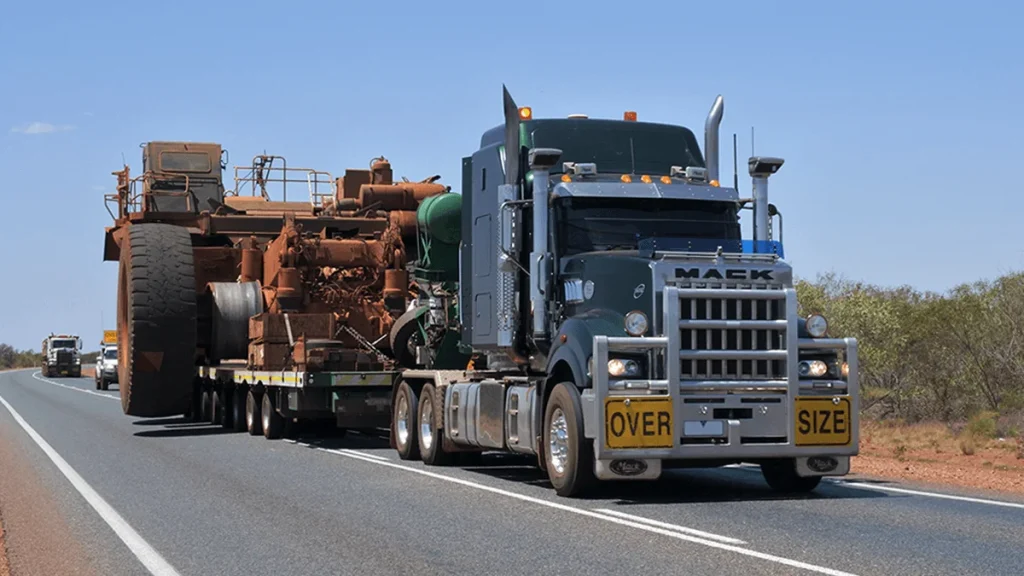
Негабаритний вантаж відрізняється від звичайного розмірами або масою. Коли йдеться про негабарит, вагові або геометричні параметри перевищують встановлені нормативи для стандартних перевезень автомобільним транспортом. Транспортування негабариту потребує особливих умов, погоджень і часто супроводу.
Негабаритний вантаж затребуваний у будівництві, енергетиці, промисловості та сільському господарстві. Необхідність переміщення великих або важких конструкцій – складне логістичне завдання, що регулюється законодавством і потребує професійного підходу.
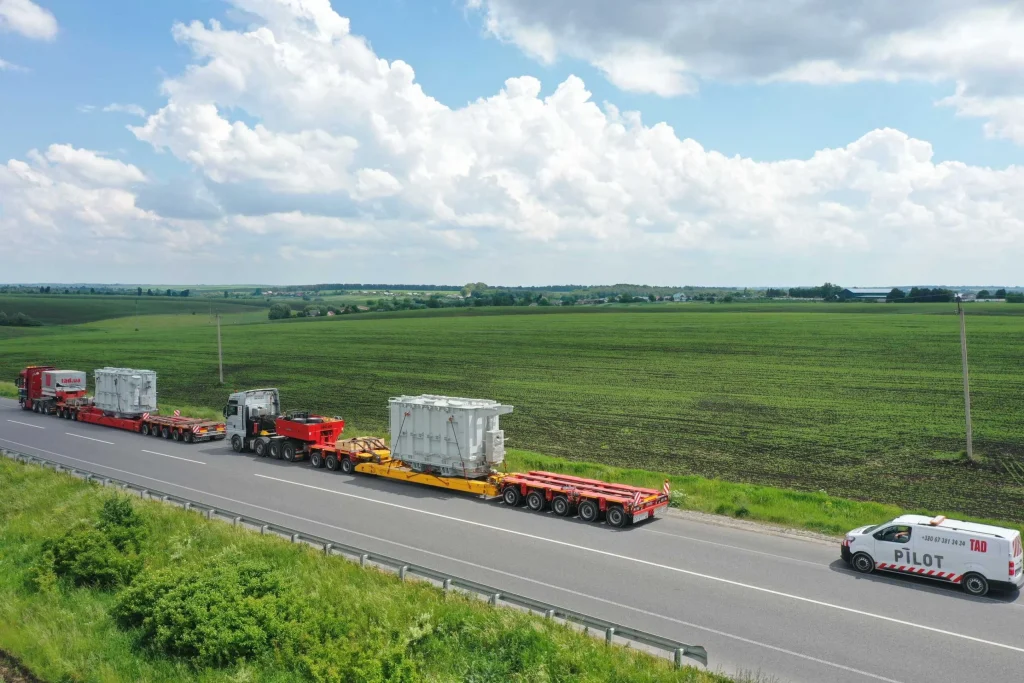
Поняття негабаритного вантажу закріплене в нормативних документах України та застосовується у сфері автомобільних перевезень. Основним джерелом регулювання є «Правила дорожнього руху України» та Постанова КМУ №30 від 18.01.2001 «Про проїзд великогабаритних та великовагових транспортних засобів».
Щоб зрозуміти, що таке негабарит, потрібно враховувати офіційне визначення, представлене в законодавчих актах. До категорії потрапляють вантажі, які під час транспортування перевищують гранично допустимі параметри транспортного засобу. Перевищення може стосуватися розмірів і маси. Що є негабаритним вантажем:
Для професійного транспортування перелічених об’єктів важливо розуміти правові й технічні нюанси логістичного процесу. Негабаритні вантажі – це предмети з розмірами або вагою, що перевищують стандарти, які встановлені для звичайних перевезень. Якщо необхідно доставити техніку або конструкції, що не поміщаються у стандартний закритий кузов, знадобиться професійне перевезення негабаритних вантажів, яке можна замовити в компанії «Неоліт Логістикс».
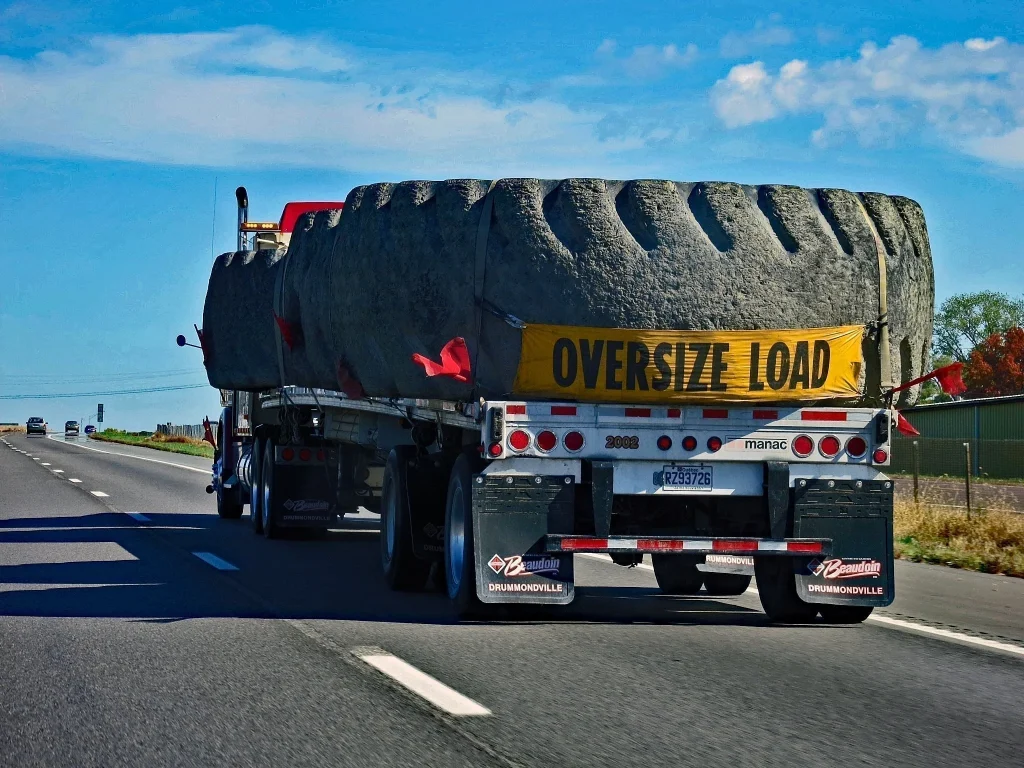
Такі послуги затребувані серед будівельних компаній, агрохолдингів і промислових підприємств. Перевезення негабариту часто потрібне в галузях:
Транспортування нестандартних об’єктів потребує особливого підходу до логістики та вибору рухомого складу. Під це визначення потрапляють неподільні предмети, які через свої фізичні параметри створюють складнощі під час переміщення дорогами загального користування. Найчастіше такі перевезення необхідні для доставки спецтехніки, промислового обладнання та архітектурних форм. Послуга є надзвичайно важливою для розвитку інфраструктурних проєктів і забезпечення роботи важкої індустрії.
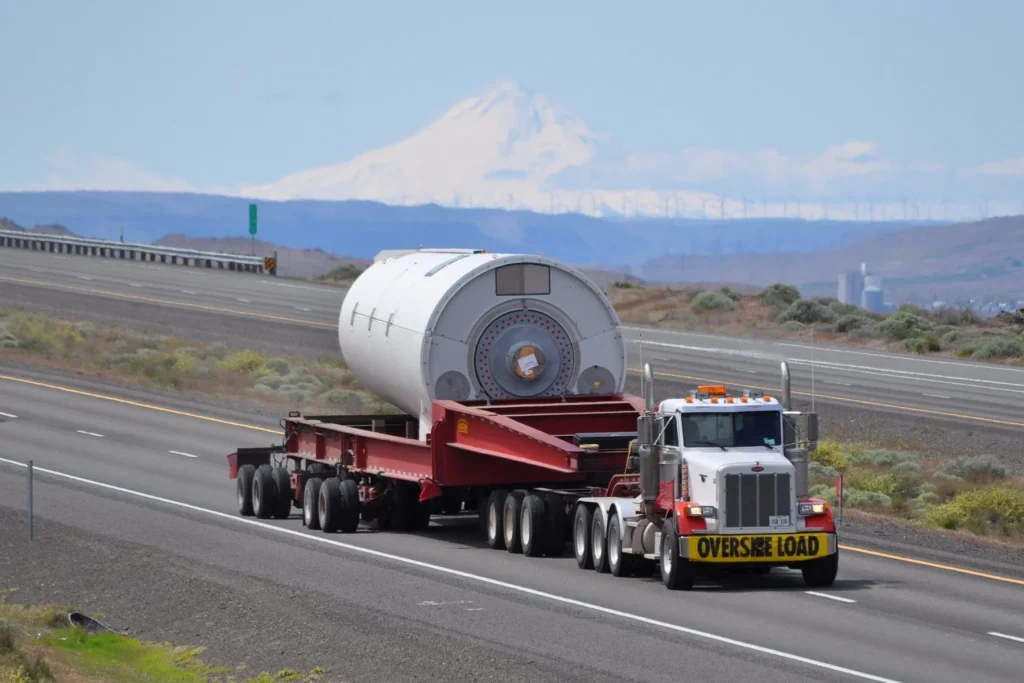
Нормативні розміри негабаритних вантажів встановлені в «Правилах дорожнього руху України» (розділ 22) та інших підзаконних актах. Якщо завантажений транспортний засіб перевищує зазначені параметри, то вантаж вважається негабаритним. Основні моменти:
Якщо завантажений транспортний засіб виходить за межі встановлених лімітів хоча б за одним показником, вантаж автоматично переходить у категорію негабариту. Потрапляння в особливу категорію тягне за собою необхідність отримання дозволів, дотримання особливого швидкісного режиму та інших правил. Що враховувати:
Негабаритні перевезення – комплексний інженерно-логістичний процес. Тут важлива кожна деталь: від кріплення об’єктів у кузові вантажівки до вибору часу руху. Навіть невелика помилка може призвести до значних фінансових втрат. Грамотна організація та дотримання норм – ключ до успішного завершення доставки.
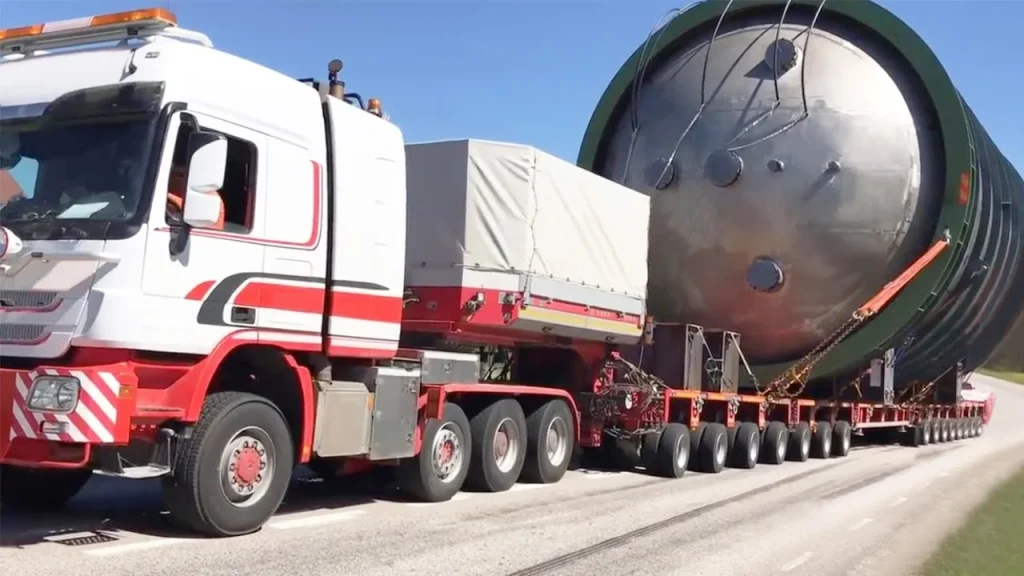
Класифікація негабаритних вантажів використовується в логістиці для вибору транспорту, маршруту та дозволів. Вона базується на характері перевищення параметрів і особливостях вантажу. Основні види негабаритних вантажів:
У деяких випадках розміри об’єктів, що перевозяться, потребують повного перекриття руху або демонтажу дорожніх перешкод. Класифікація в логістиці допомагає правильно підібрати тип причепа та розрахувати навантаження на осі. Поділ на категорії дозволяє оптимізувати маршрут, враховуючи висоту мостів і ширину дорожнього полотна. Правильна ідентифікація типу вантажу є першим кроком до створення безпечної схеми кріплення.
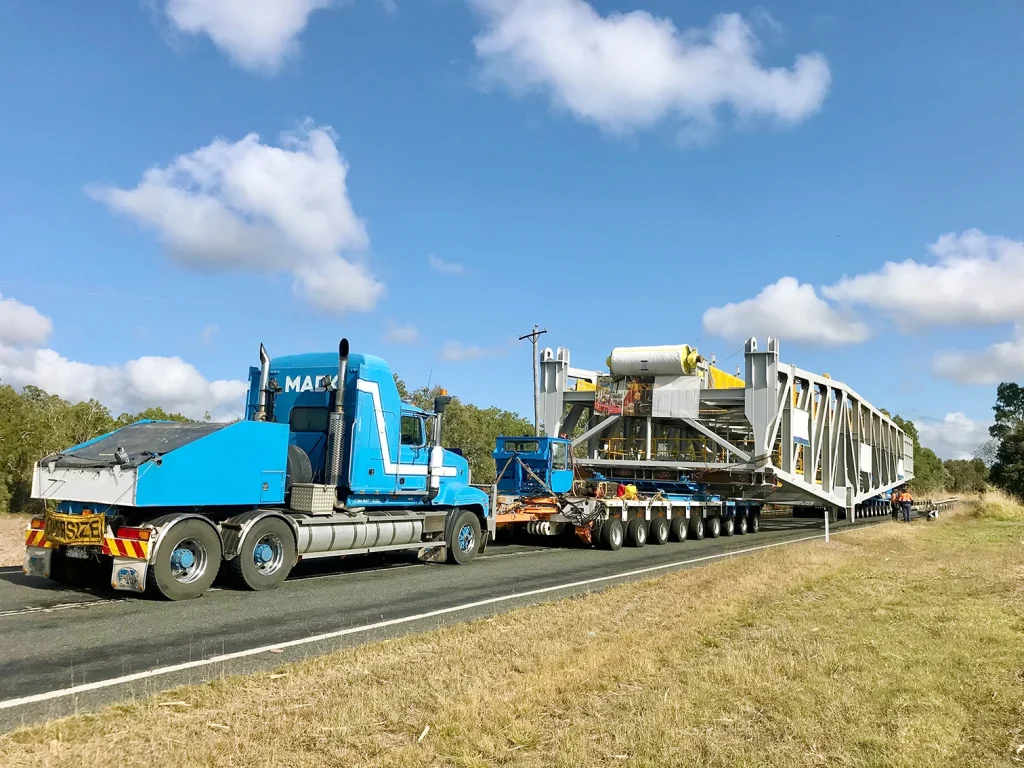
Якщо потрібно перевезти негабаритний вантаж, правила можна дізнатися в законодавчих документах України:
Законодавча база України суворо регламентує процес переміщення великогабаритних об’єктів для забезпечення безпеки всіх учасників руху. Дотримання зазначених норм мінімізує ризик виникнення аварійних ситуацій на трасах. Ключові вимоги:
Обов’язкова наявність знака «Великогабаритний вантаж» у вигляді щита 400х400 мм із діагональними червоними та білими смугами. У темну пору доби повинні бути увімкнені ліхтарі – білий спереду, червоний ззаду. Машина супроводу необхідна, якщо ширина перевищує 3,5 м або довжина понад 24 м. Додаткові вимоги, як перевозити негабаритний вантаж:
Швидкісний режим зазвичай обмежується до 60 км/год на трасах і 15 км/год на мостах. Заборонено рух в умовах обмеженої видимості через туман або в ожеледь, у години пік у містах.
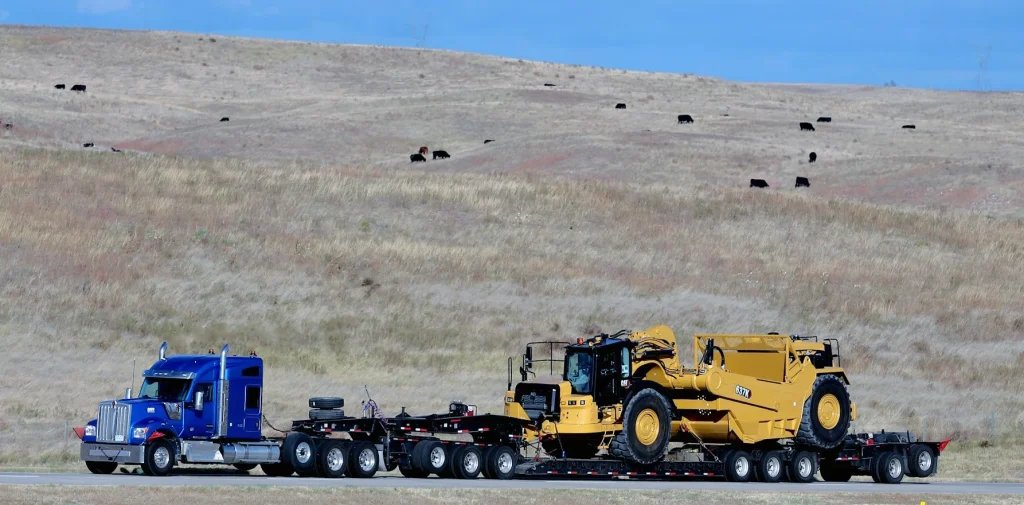
Правила перевезень негабаритних вантажів передбачають підготовку розширеного пакета документів:
Оформлення документів – бюрократизований етап, який потребує тісної взаємодії з державними структурами. Відсутність хоча б одного підпису може призвести до блокування транспортного засобу на штрафмайданчику. Додатково можуть знадобитися:
Окрім стандартної товарно-транспортної накладної та водійського посвідчення, перевізник зобов’язаний мати окремий дозвіл. Цей документ підтверджує, що маршрут погоджено з урахуванням вантажопідйомності мостів і висоти ліній електропередач. Схема кріплення – це технічна документація, яка описує способи фіксації об’єкта на платформі. Страховий поліс підтверджує покриття ризиків, пов’язаних із пошкодженням дороговартісного обладнання або інфраструктури.
Транспорт для перевезення негабариту повинен відповідати технічним вимогам і нормам безпеки. Для транспортування використовують окрему категорію спецтехніки. Основні вимоги:
Для вирішення складних завдань призначений спеціалізований транспорт із підвищеною потужністю та зносостійкістю. Звичайні фури не підходять через високу вантажну висоту та обмежену вантажопідйомність. Основним інструментом логіста стають низькорамні трали з різною кількістю осей. Кожен транспортний засіб повинен проходити регулярну перевірку вузлів, що працюють під екстремальним навантаженням. Особливості конструкції вантажівок для перевезення негабаритних вантажів:
До обов’язкового оснащення вантажного автомобіля належать сигнальні вогні. Рекомендується GPS-контроль.
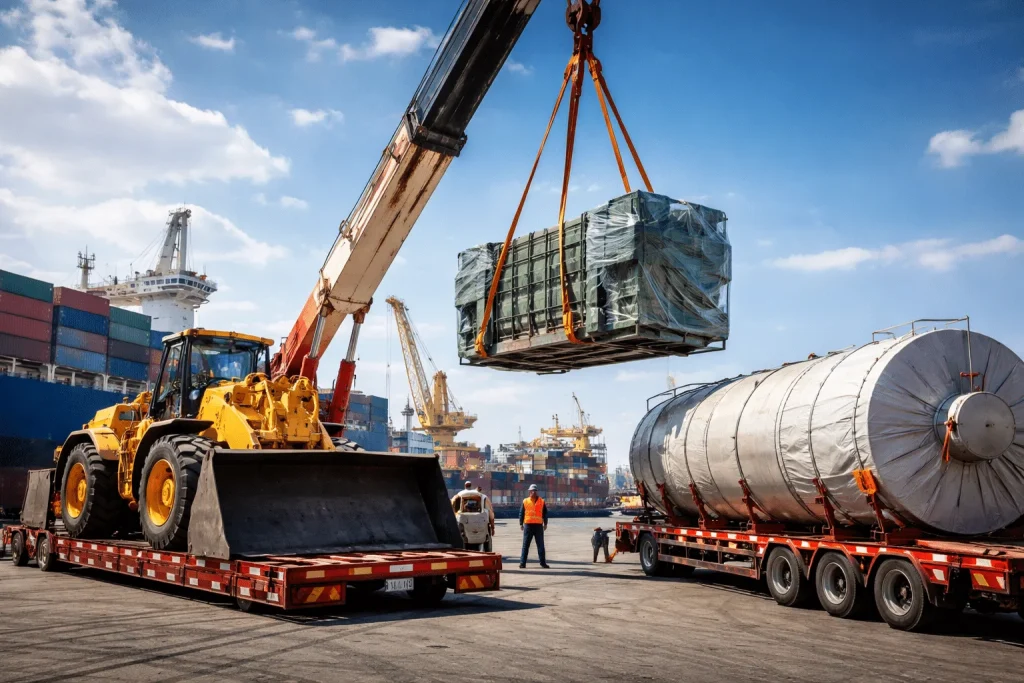
Європейські норми багато в чому схожі з українськими, але мають більш жорсткі обмеження за часом та екологічною безпекою. У країнах Європи діють загальні норми ЄС, але в кожній країні передбачені особливості регулювання. Основний документ – Директива ЄС 96/53/EC. Загальні правила:
У Німеччині діють суворі вимоги до маршруту та осьових навантажень, обмеження за часом руху, потрібен обов’язковий супровід при перевищенні ширини. У Польщі дозволи оформлюються через GDDKiA, передбачені часті перевірки та жорсткий контроль ваги, пересування на ключових автобанах доступне лише у певні нічні години. У Франції передбачено обов’язковий супровід для великого негабариту, обмеження на пересування автомобіля у вихідні.
У ЄС діє система штрафів і контролю. Перевізник зобов’язаний дотримуватися правил кожної країни, якою переміщується вантаж. Правильне планування маршруту стає пріоритетним завданням. Якщо потрібне професійне та надійне перевезення негабаритних вантажів по Україні та Європі, звертайтеся до компанії «Неоліт Логістикс». Без проблем і затримок доставимо об’єкти за адресою у мінімально короткі строки.
Порушення правил перевезень негабаритних вантажів тягне за собою накладення штрафів і санкцій. В Україні, згідно із законодавством, встановлені розміри грошових стягнень:
Можлива заборона на подальше пересування. У країнах ЄС штрафи значно вищі, а контроль суворіший. Розміри грошових стягнень у Польщі стартують від 5000 злотих. У Німеччині розмір штрафу може сягати 2500 євро, у Франції – 1500 євро. У Німеччині та Франції штрафні санкції доповнюються негайною забороною подальшого руху. Можливі наслідки включають конфіскацію вантажу та внесення перевізника до реєстру порушників.
Транспортування негабариту – складний і суворо регульований процес, який потребує дотримання нормативів, оформлення дозволів і використання спеціального транспорту. Помилки в організації призводять до штрафів, ризиків втрати вантажу та інших небажаних наслідків. Такі завдання краще довіряти професійним логістичним компаніям, які працюють у межах законодавства та враховують усі нюанси.
Залиште свої контакти, щоб зв'язатися з нашим спеціалістом.